
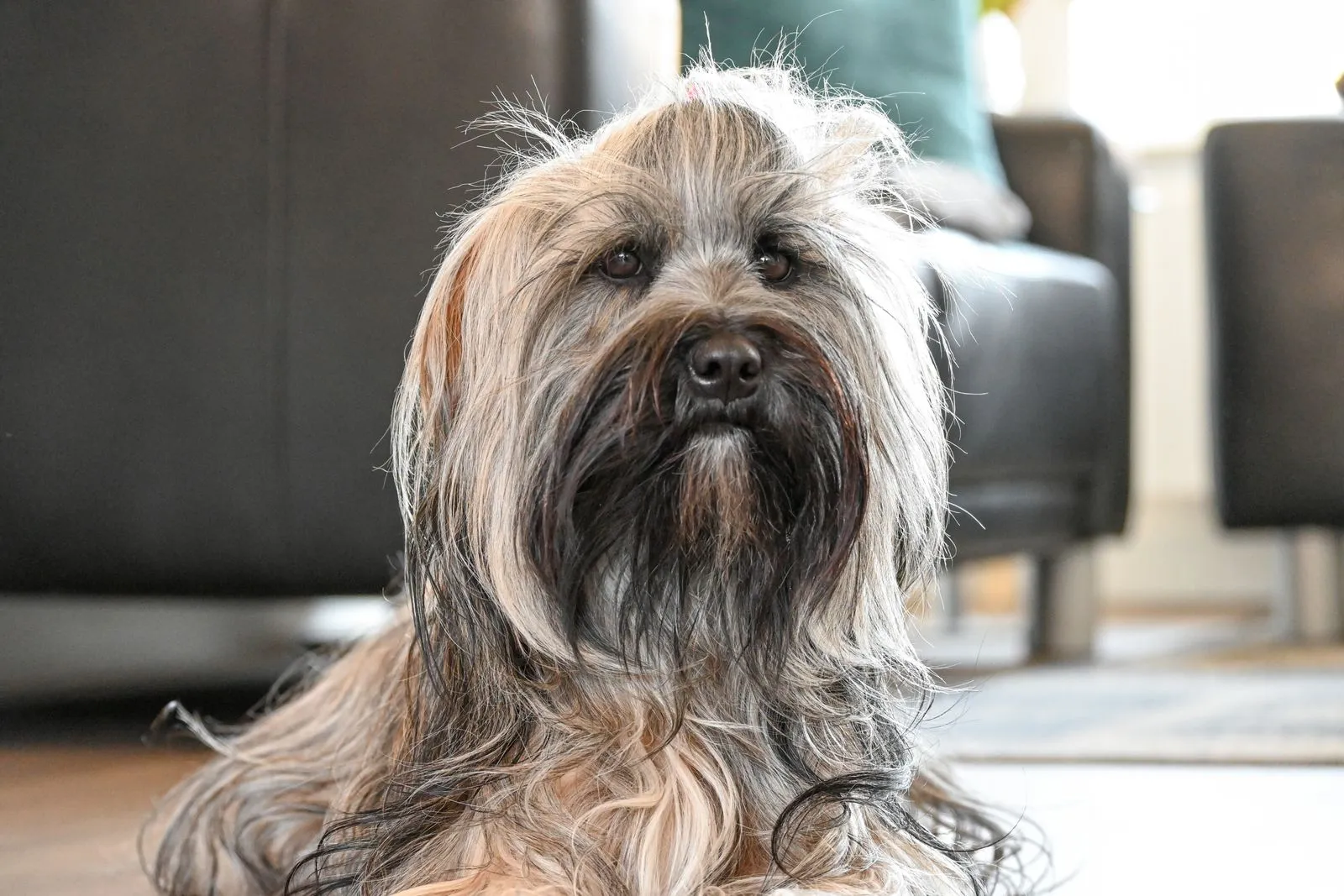
Pet hair can collect quickly on floors, sofas, and the places your pet returns to throughout the day. A few small habits make it easier to manage between professional visits, without turning cleaning into a daily project. Match your tools to each surface, focus on high-use areas, and remove hair before it gets pressed into fabric or spread around the home. Here’s a practical routine you can adjust to your pet and your space.
Start With Floors
Vacuum high-traffic rooms regularly, especially along baseboards, under furniture edges, and wherever your pet sleeps. A vacuum with a brush setting suited to your floor can lift hair from carpet, while a hard-floor setting helps avoid scattering it. Move light furniture when you can, but prioritize the paths your pet uses most.
For hard floors, use a microfiber dust mop between vacuuming sessions. It gathers loose hair instead of pushing it into corners. If you sweep, use slow, controlled strokes and collect the hair before it drifts back across the room. Empty the vacuum or clean its roller when hair starts reducing suction or wrapping around the brush.
Refresh Upholstery
Before vacuuming a sofa or chair, check the care label and test any tool in a hidden spot. A vacuum upholstery attachment works for many fabrics; a slightly damp rubber glove or reusable lint tool can help gather hair from surfaces where a vacuum misses it. Work in one direction, then collect the loosened hair rather than brushing it onto the floor.
Wash removable covers according to their care instructions, and keep a washable throw over your pet’s usual seat. Shake the throw outdoors or over a bin before laundering so loose hair does not transfer around the washer. Clean cushions and crevices in short passes, since hair often settles where seats meet arms and backs.
Target Favorite Spots
Give your pet’s bed, blanket, and preferred resting place a quick check as part of your routine. Shake washable bedding outside when possible, then launder it as directed on the label. For beds that cannot go in the wash, vacuum seams and corners, and use a fabric-safe hair remover after testing it first.
Place washable mats near entryways, food bowls, or other spots where hair gathers. Clean them frequently enough that they do not become a source of loose fur. If your pet returns to the same window, rug, or chair, add that area to your regular list instead of trying to clean every room equally.
Make It Manageable
Keep a small cleaning kit where you need it: a lint roller or reusable remover for furniture, a microfiber cloth for hard surfaces, and the right vacuum attachments. A quick pass over one high-use area can prevent hair from building up until the next full clean. Store tools safely, especially if your pet might chew or play with them.
Use a repeatable schedule that fits your household. For example, vacuum the main pet areas on set days, refresh upholstery once a week, and check bedding when you do laundry. Adjust the routine when shedding increases or guests are coming. Consistent, targeted cleaning usually feels easier than waiting for visible layers of hair to accumulate.
A manageable pet-hair routine focuses on the places your pet uses most, with tools suited to each surface. Regular vacuuming, washable covers, and quick attention to bedding can keep fur from spreading through the home. Choose a schedule you can maintain, and ask Paws & Polish about support with the deeper cleaning in between.